
The Science of Roommate Compatibility: What the Research Says (and Why It Works in Prague)
Most people in Prague share a flat out of necessity, not choice. Here's what research says predicts living well together, and why it beats a dating app.
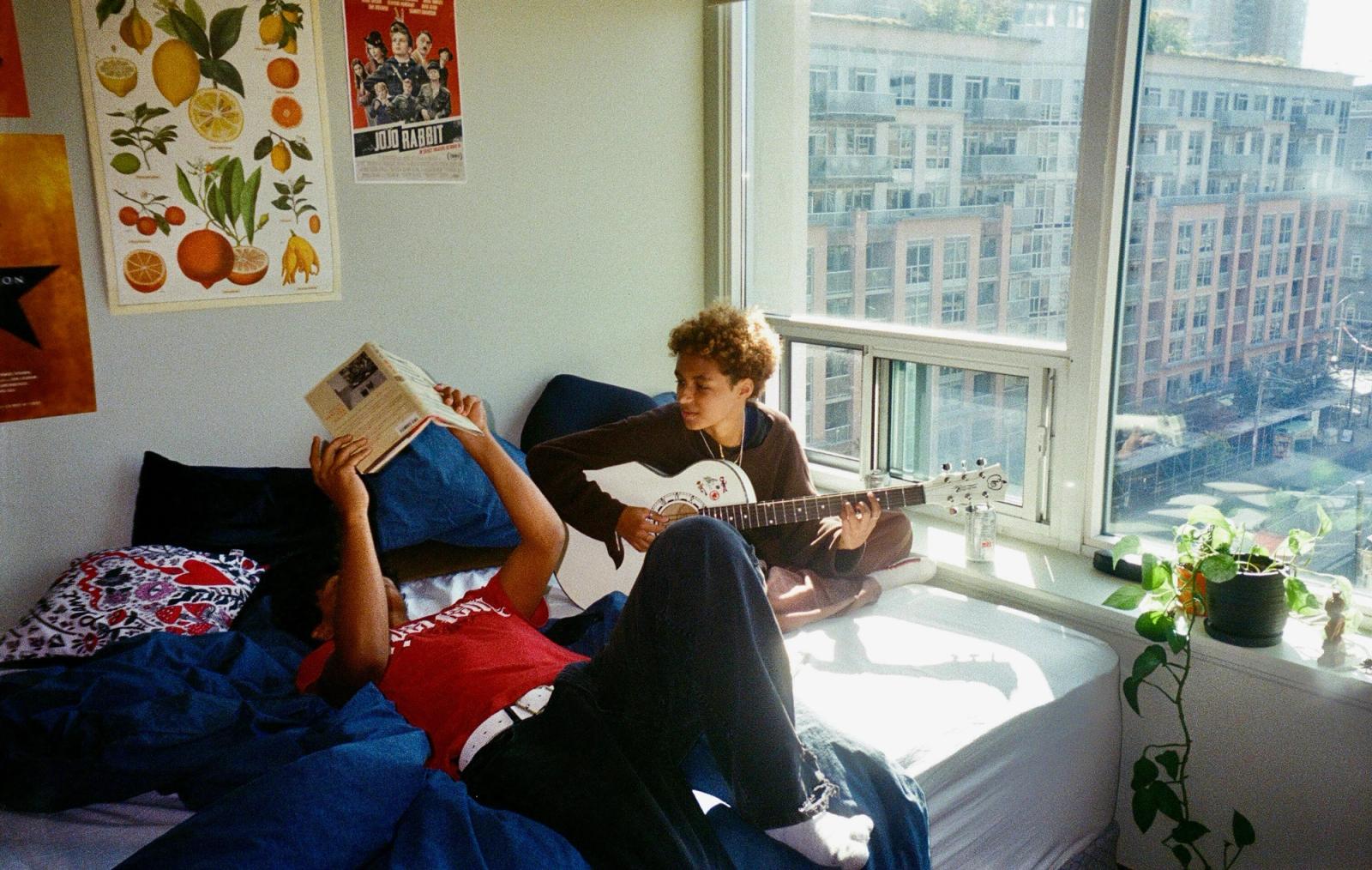
In Prague, sharing a flat isn't really a choice. It's the math.
Czech universities have more than 315,000 students, over 56,000 of them international. The country has fewer than 68,000 student beds. In Prague, almost three students fight for every dorm bed.
So dorms fill up, prices climb, and most people land in the private market. There, a place of your own is out of reach for the average student.
Sharing is also the smart money move. Eurostat found that in 2024, 22.8% of people living alone in Czechia spent 40% or more of their income on housing. For two adults sharing, it was 4.2%. For three or more, 1.6%.
Read that again. Living alone makes you about five times more likely to be crushed by housing costs than splitting a flat with one other person.
The OECD puts it simply: people who live alone can't share the load. Split the rent, the bills, and the deposit, and the numbers finally work.
But here's the part nobody admits. A 2025 European survey by HousingAnywhere found most young renters, 52%, would rather live alone. People share because they have to, not because they want to.
Which means everything rides on one thing: do you actually get along with the person across the hall?
Sharing with the wrong person isn't just annoying. It's bad for you.
This is a wellbeing issue, not just a comfort one. UK research in Health & Place found that living with the wrong stranger can harm young people's mental health and sense of safety, especially when they had no way to check the person first.
Forced, badly matched sharing is the worst of both worlds. You lose your privacy and get none of the upside.
When it goes well, the opposite is true. A review in Social and Personality Psychology Compass found that when the fit is right, the social perks rival the financial ones.
The difference between those two outcomes is compatibility. So what is compatibility, really?
Most roommate conflict is boringly predictable
Ask people what they fight about and the answers barely change. Research from the University of Wisconsin-Madison ranks the top causes:
- Personal space and privacy
- Different sleep schedules
- Noise when someone wants to sleep or study
- Cleanliness
- Guests
- Clashing views on things like drinking and parties
A 2023 study of college roommates agreed. The biggest friction isn't deep personality clashes. It's everyday habits, with mess and noise at the top.
Notice what's missing: hobbies, music taste, whether you'd be friends. What wrecks a flatshare is the daily stuff. When you sleep. How you keep the kitchen. How much noise and how many guests you bring home.
Personality matters, but not the way a dating app suggests
Personality does count. A 2023 study in the International Journal of Indian Psychology found the Big Five traits, the most tested model in personality science, shape how happy roommates are together.
The pattern matches decades of relationship research. People who are organized, easy-going, and outgoing tend to share more smoothly. People high in anxiety and mood swings tend to clash more.
But the popular idea, just match similar people, falls apart. Across three large national samples, Dyrenforth and colleagues found raw similarity barely mattered. A 2024 study agreed: harmony comes less from being copies of each other and more from the right mix of traits and shared values.
That's the key nuance. For some traits, similar is better. Two tidy people both pull their weight. Two relaxed ones don't annoy each other. For others, a little difference is healthier. Two loud personalities can fight for the same space, while a balanced pair settles. Good matching isn't "find your twin." It's similar where that helps, balanced where it doesn't.
The one thing you can really check: do your daily routines line up?
If conflict comes from daily habits, match on daily habits. One University of Lynchburg study found that being a morning person or a night owl was a real predictor of whether roommates got on. The boring stuff is the stuff that predicts.
You don't need someone identical. You need to line up on the few things you hit every single day:
- Sleep schedule, and how strict you are about it
- How clean you actually keep things
- Noise and guests, on weeknights and weekends
- Drinking, smoking, parties, and how shared space gets used
- How you handle a disagreement: head-on, or let it build?
Get those right and most friction never even starts.
Why this isn't a dating app
It's easy to think roommate matching is just dating for flats. It isn't, and that's the whole point. A landmark review by Finkel and colleagues in Psychological Science in the Public Interest found that no profile-based algorithm can really tell who two people will click with romantically. Chemistry only shows up once people meet.
Researcher Liesel Sharabi says the same: dating algorithms shape who you meet, they don't predict who you'll fall for. So why would roommate matching work where dating apps don't?
Because it's a different, easier question. Roommate matching isn't chasing a spark. It's predicting friction, and friction is far easier to predict than love. Whether you'll clash over dirty dishes or a 2 a.m. playlist comes down to steady, honest habits, not chemistry. Dating apps struggle to predict love. Roommate matching doesn't have to. It just has to predict whether your Tuesday nights collide, and the research can do that.
Why it works in Prague
Two things make Prague perfect for this.
First, the bed shortage. With three students chasing every dorm bed and studios out of reach, sharing is the default, not the backup.
Second, the 56,000 international students. They land with no local network, often no Czech, and no way to tell a good flatmate from a stranger in a Facebook group. That's exactly the risk the research warns about.
That's the gap DomuHQ fills. The personality test uses familiar MBTI-style questions that Czech and European users trust, then maps them onto the Big Five the research is built on. It all works in Czech and English. And every host and seeker is identity-verified, so the stranger risk is handled up front.
How DomuHQ uses the research
DomuHQ matches the way the research points. It rules out deal-breakers first. Then it ranks people on five things, in the order that actually predicts harmony: daily life first, then personality, then values, then interests and small preferences.
Daily habits lead because they cause the most conflict. Personality comes next, matched for similarity where that helps and balance where it doesn't. Values come third, because they quietly decide whether a home feels right. Interests and preferences are the finishing touch, nice to have, rarely deal-breakers.
And it's honest about its limits. It won't promise you a best friend or a soulmate. Research says you can't predict that from a profile. It predicts whether your daily habits will clash, then shows you the flats you could take with people who fit.
The bottom line
Sharing in Prague is the smart money move. The numbers settle that. Whether it's also a good life comes down to who you share with. And that isn't luck. It's lining up on the things you live with every day, and you can get it right before you sign.
DomuHQ matches you with compatible roommates first, then the flats you can take together. Find your next home in Prague.
Related posts
Handover Protocol (Předávací Protokol): What It Must Contain, With a Template
What a Czech handover protocol (předávací protokol) must contain, how to do it on move-in and move-out, what changes in a shared flat, and a template you can copy.
Karlín vs Holešovice: Where to Rent in Prague in 2026
Karlín vs Holešovice in 2026: rent per square metre, what a 2+kk and a room in a 3+kk cost, transport, parks, noise, and which one works for a shared flat.

How to Vet a Roommate Before You Sign a Lease (Without Making It Weird)
A one-hour vetting process for a future roommate: what to read in the profile, five video-call questions, what you can ask for, and the red flags that end it.