
Can My Landlord Raise the Rent? Czech Rules on Rent Increases Explained
Inflation clauses, the 20% in three years cap, comparable rent and fixed-term renewals. What a Czech landlord can and cannot do to your rent.
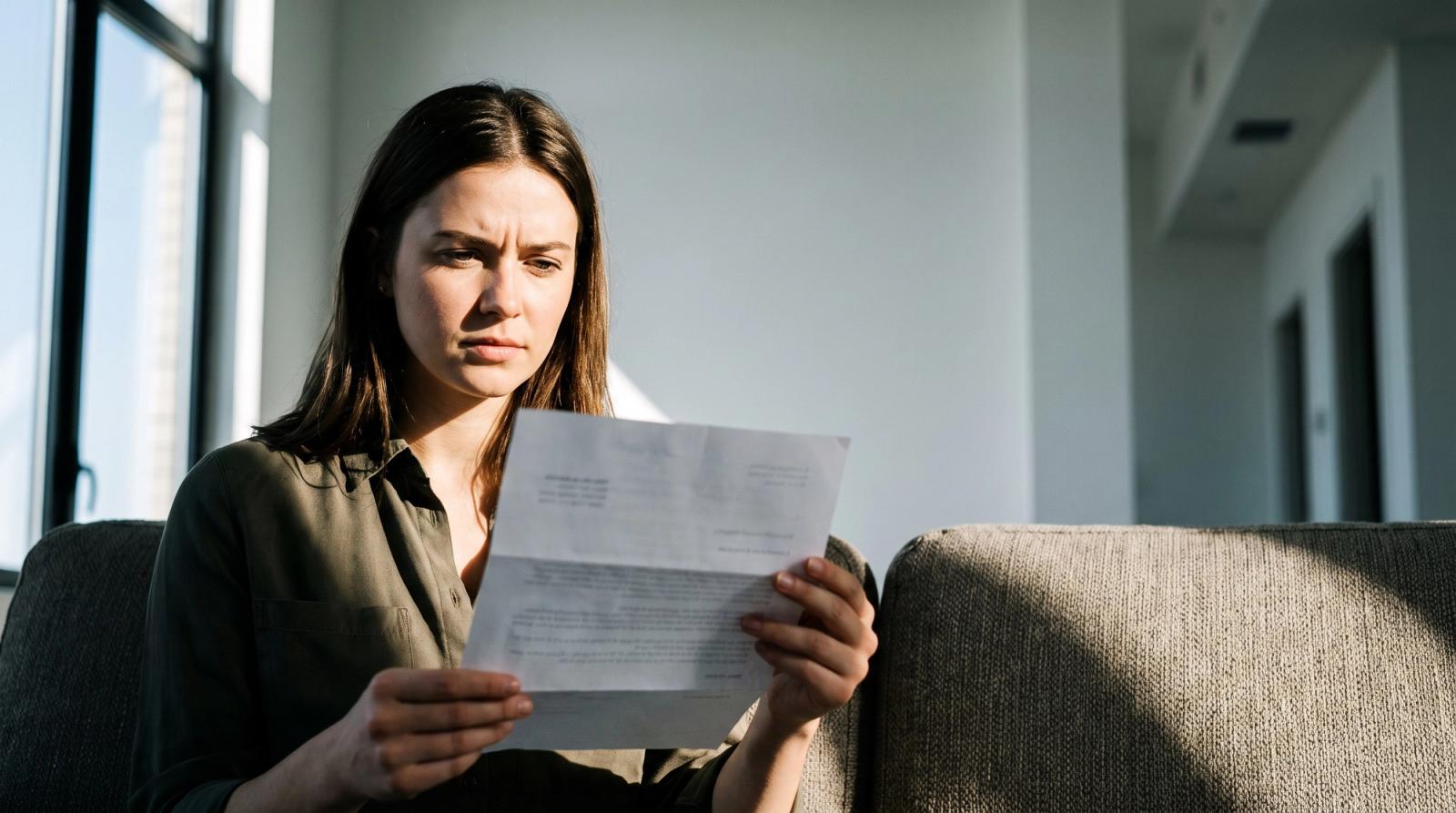
A letter arrives: from next month the rent goes up by 3,000 CZK. Is that allowed? In Czechia the honest answer is "it depends on what your contract says", and most tenants have never read that part of it. Here is how the rules work, in plain language. We are not lawyers, so for a real dispute talk to one, or to a tenant advice service.
Route 1: the increase is already in your contract
Under § 2248 of the Civil Code, you and the landlord can agree in the lease that the rent rises every year, at most once a year. Usually this is an inflation clause (inflační doložka) tied to the average annual inflation published by the Czech Statistical Office. A properly written clause names the index, says when the increase applies and whether the landlord has to notify you first. If your lease has one, the yearly increase is simply part of the deal you signed. Check the maths against the published index, because mistakes are common.
Route 2: the landlord proposes an increase
If the lease says nothing about increases (and does not rule them out), § 2249 lets the landlord propose one. The conditions are strict:
- The proposal must be in writing, state the new amount and show why it meets the legal conditions. Otherwise it has no effect.
- At most one proposal every 12 months.
- Total increases over the last three years cannot exceed 20%.
- The new rent cannot be higher than the usual rent for comparable flats in the area (srovnatelné nájemné). Government regulation 453/2013 says the landlord proves this with an expert opinion or with at least three comparable leases, not with short-term rentals or service flats.
What happens after the proposal
If you agree in writing, the new rent applies from the third calendar month after you received the proposal. A letter received in January means the higher rent from April. If you refuse, or simply do not reply within two months, the landlord has three more months to go to court. If they do, the court decides the rent, and if it sides with the landlord the new rent applies from the date the lawsuit was filed. That means you could owe the difference back to that date, so do not ignore a well-founded proposal and assume it will go away.
Legal commentators disagree on whether the 20% cap also binds the court, so if the gap is large, get advice before refusing.
Route 3: after renovations
Under § 2250, if the landlord improves the flat or building, the rent can rise by up to 10% of the reasonable cost per year with your agreement. If two thirds of the tenants in the building agree, it applies to everyone. Without agreement, the cap is 3.5% of the cost per year. Repairs that only restore what was broken do not count as improvements.
The fixed-term loophole
Most leases for young renters in Prague and Brno are for one year. When that year ends, the landlord does not need § 2249 at all: they can simply offer a new contract at a new price, and if you say no, the lease ends. Seznam Zprávy pointed out in June 2026 that repeated fixed-term contracts are exactly how the 20% cap gets bypassed in practice. If the rise feels unfair, your real leverage is the market: compare listings for similar flats, and negotiate early, not two weeks before the end date. Our guide to ending a lease in the Czech Republic covers notice periods if you decide to leave.
Rent vs service charges
None of this applies to advance payments for services (water, heating, building cleaning). Those can be adjusted to match real consumption, and they are settled once a year. That process has its own rules and deadlines, explained in the annual service charge settlement (vyúčtování).
If you share a flat
If you are a subtenant renting a room from the main tenant, your contract is with them, not the owner, and what they can charge depends on your sublease. Read lease vs sublease so you know who you are actually negotiating with. When the total rent goes up, agree how the increase is shared before it lands. Our rent-splitting guide has a few fair ways to do it.
Sources
Last updated: November 11, 2026
Related posts
Who Pays for Repairs in a Rented Flat? The 2026 Czech Rules
Since January 2026 tenants pay small repairs up to 1,500 CZK each, capped at 150 CZK per m² a year. What counts as small, what the landlord must fix, and mould.
The Annual Service Charge Settlement (Vyúčtování): Deadlines, Overpayments and How to Check It
Your landlord owes you a yearly breakdown of what your advance payments paid for. The deadlines, your right to see receipts, and the 50 CZK a day penalty.
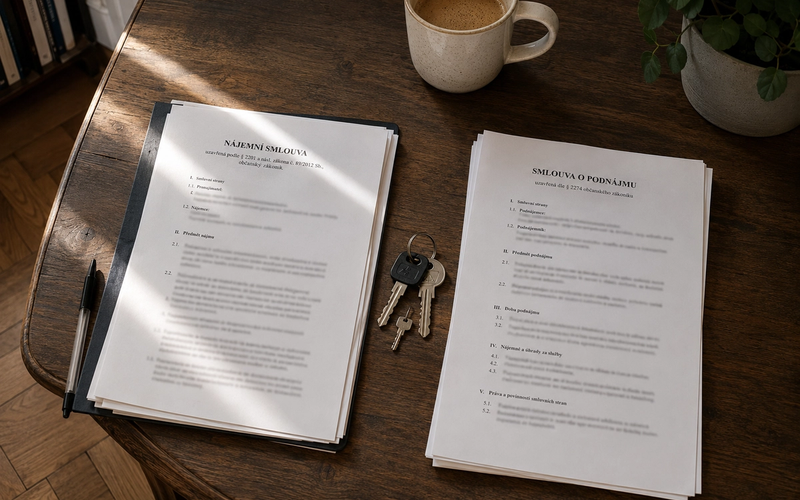
Lease vs Sublease in the Czech Republic: What's the Difference
Renting a room in Prague usually makes you a subtenant, not a tenant. What najem vs podnajem really means for your rights, and what to check before you sign.